Payment Methods at Non-GamStop Casinos
Best Non GamStop Casino UK 2026
Loading...
Payment methods determine more than just how money moves into and out of your casino account. They influence transaction speeds, fee structures, withdrawal limits, bonus eligibility, and even the level of privacy you maintain while gambling. At non-GamStop casinos, where UK banking restrictions create additional complications, understanding your payment options becomes essential rather than merely convenient.
The non-GamStop landscape offers broader payment diversity than UKGC-licensed sites in some respects while presenting unique challenges in others. Offshore operators work with different banking partners, accept different currencies, and operate under regulatory frameworks that enable payment approaches unavailable domestically. This flexibility creates opportunities for players who know how to navigate it—and pitfalls for those who don’t.
UK banks have increasingly blocked transactions to gambling sites, particularly those operating outside domestic regulation. A card that works perfectly at licensed bookmakers might decline at Curacao-licensed casinos. E-wallets provide workarounds, cryptocurrency bypasses traditional banking entirely, and some card issuers remain more permissive than others. Knowing these dynamics in advance prevents the frustration of deposit failures after you’ve already registered and claimed bonuses.
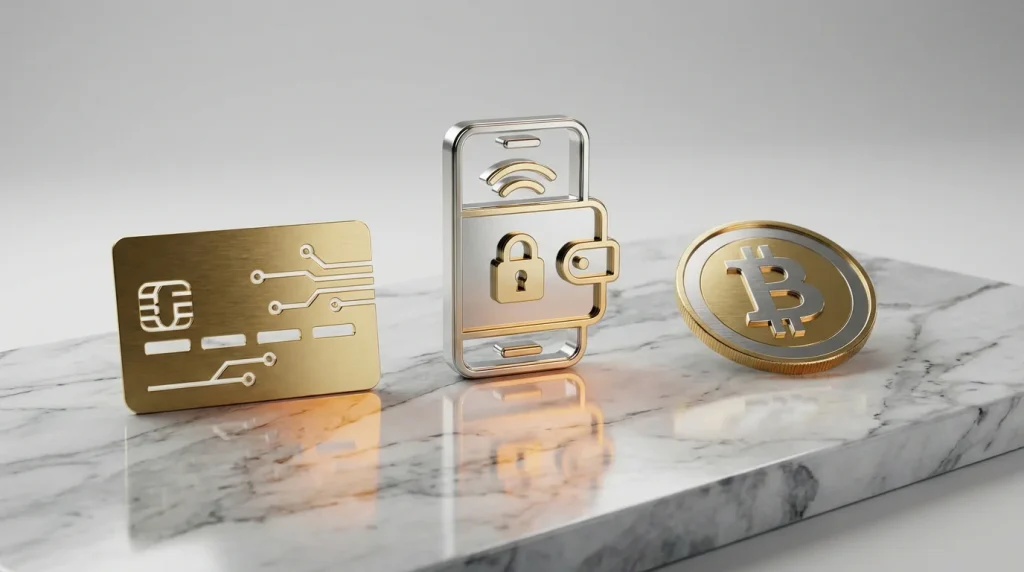
Each payment category carries distinct characteristics affecting your gambling experience. E-wallets offer speed and separation from primary banking; cards provide familiarity but face blocking risks; cryptocurrency delivers anonymity and rapid transactions but introduces volatility considerations. No single method proves optimal for everyone—the right choice depends on your priorities, existing accounts, and comfort with different technologies.
This guide examines the major payment categories available at non-GamStop casinos, their respective advantages and limitations, and how to select methods aligned with your specific needs. Whether you’re depositing to claim a no-deposit bonus or withdrawing winnings you’ve earned through gameplay, understanding payment infrastructure improves outcomes at every stage.
E-Wallets for Casino Transactions
E-wallets serve as intermediaries between your bank account and casino accounts, providing a buffer layer that simplifies transactions and reduces direct banking exposure to gambling activity. For non-GamStop casino players, this separation often proves essential when primary banks block direct gambling transactions.
Skrill and Neteller dominate the casino e-wallet market, having built their businesses substantially around gambling transactions. Both services accept deposits from UK bank accounts and cards, hold funds in your e-wallet balance, and transfer to casinos as separate transactions. This two-step process circumvents many bank-level gambling blocks since the bank sees only a transfer to Skrill or Neteller rather than a gambling transaction directly.
Account setup requires identity verification—these are regulated financial services, not anonymous shells. Expect to provide identification documents, proof of address, and potentially source-of-funds information for larger transactions. Once verified, your e-wallet functions as a secondary financial hub: funds enter from your bank, sit in the e-wallet balance, and transfer to casinos as needed. Withdrawals reverse this flow, returning to your e-wallet before optional transfer to your bank.
Transaction speeds favour e-wallets significantly. Deposits typically credit instantly once initiated from your e-wallet balance. Withdrawals from casinos to e-wallets process faster than card refunds—often within hours rather than days. If your casino supports e-wallet withdrawals and processes them efficiently, you can access funds much faster than traditional banking methods allow.
Fees vary by service and transaction type. Skrill and Neteller charge percentage fees on certain deposits and withdrawals; specific rates depend on your account tier, funding method, and destination. Casino-side fees may apply additionally. Calculate total costs before committing to significant transaction volumes—percentage fees compound on frequent or large transfers.
MiFinity, ecoPayz, and other alternatives offer similar functionality with varying fee structures, casino acceptance rates, and geographic availability. Less ubiquitous than Skrill or Neteller, these services sometimes provide better terms for specific use cases. Check whether your target casinos accept alternative e-wallets before opening accounts; acceptance isn’t universal.
E-wallet bonus restrictions apply at some casinos. Certain promotions exclude e-wallet deposits from eligibility, steering players toward less convenient payment methods. Read bonus terms carefully—a deposit made via Skrill might not qualify for the welcome bonus you’re targeting, even if the casino accepts Skrill for general transactions.
Card Payments at Offshore Casinos
Debit and credit cards offer familiar convenience but face significant obstacles at non-GamStop casinos. UK banking regulations and voluntary bank policies increasingly restrict gambling transactions, particularly to offshore operators. Understanding these limitations prevents frustrating deposit failures.
Credit card gambling deposits are banned entirely in the UK since April 2020. This restriction applies regardless of casino licensing—you cannot legally use UK-issued credit cards to fund gambling at any site, domestic or offshore. Attempting such transactions results in decline, and repeated attempts might trigger card issuer security reviews. Use debit cards only for direct card gambling transactions.
Debit card acceptance varies by bank and card issuer. Some UK banks actively block transactions to known gambling merchants, including offshore casinos identified through merchant category codes. Others process gambling transactions without restriction. Monzo, Starling, and traditional high street banks all maintain different policies that change over time. A card that works today might face blocks tomorrow as banks update their gambling transaction policies.
Transaction success depends partly on how the casino’s payment processor categorises charges. Some processors code transactions as general merchandise or entertainment rather than gambling, bypassing bank-level gambling blocks. This workaround benefits players facing restrictions but operates in a grey area that banks may eventually address. Don’t assume successful past transactions guarantee future success.
Withdrawal to cards processes as refunds through the original payment method. This approach works reliably when the card originally funded deposits but may face delays as refunds process through banking networks. Expect one to five business days for card withdrawals to appear, significantly slower than e-wallet alternatives.
Prepaid cards offer partial workarounds for players facing bank restrictions. Services like Revolut or dedicated prepaid gambling cards can be funded separately from main banking and used at casinos that accept them. This adds transaction steps but maintains access when direct debit cards face blocks.
Card verification requirements mean providing card images or documentation to casinos before withdrawal approval. Expect to photograph your card showing the last four digits, matching the name to your account. This verification protects against fraud but adds steps to withdrawal processes.
Cryptocurrency Options
Cryptocurrency bypasses traditional banking entirely, offering transaction freedom that neither cards nor e-wallets can match. For players facing bank restrictions or prioritising privacy, crypto provides a genuine alternative—though it introduces considerations that fiat currencies avoid.
Bitcoin remains the most widely accepted cryptocurrency at non-GamStop casinos. Nearly every crypto-friendly operator supports Bitcoin deposits and withdrawals. Transaction confirmation takes ten minutes to an hour depending on network congestion; fees vary with network demand. Bitcoin’s ubiquity makes it the default choice for players new to crypto gambling.
Ethereum, Litecoin, and other altcoins expand options at casinos supporting multiple cryptocurrencies. Litecoin confirms faster than Bitcoin with lower fees; Ethereum enables smart contract interactions at advanced platforms. Stablecoins like USDT and USDC eliminate the volatility concern by pegging to fiat currency values—you maintain crypto’s transaction benefits without exposure to price swings during your gambling session.
Volatility represents cryptocurrency’s primary complication for gambling. Depositing Bitcoin worth £100 might be worth £95 or £105 by the time you’re ready to withdraw, regardless of gambling outcomes. This market exposure adds a layer of risk—or opportunity—that fiat gambling doesn’t include. Stablecoins specifically address this concern for players wanting crypto convenience without price speculation.
Privacy advantages attract many crypto casino users. Blockchain transactions don’t require identity disclosure to complete; your wallet address serves as your identifier. Pure crypto casinos may never request personal information at all. This anonymity appeals to privacy-conscious players, though it sacrifices certain protections that identity verification provides.
Acquiring cryptocurrency requires initial setup: exchange accounts, wallet software, and understanding of transaction mechanics. Players unfamiliar with crypto face a learning curve before their first casino deposit. Once established, however, crypto transactions proceed quickly and without the bank-level obstacles that complicate fiat methods.
Withdrawal speeds often favour cryptocurrency. Once the casino releases funds, blockchain confirmation completes within minutes to an hour. No bank processing delays, no business day limitations. For players prioritising rapid access to winnings, crypto offers the fastest withdrawal pathway available at most non-GamStop casinos.
Choosing the Right Method
Optimal payment method selection depends on your priorities, existing accounts, and specific casino policies. No single method proves best for everyone; matching method characteristics to personal needs produces better outcomes than following generic recommendations.
Speed prioritisation favours cryptocurrency or e-wallets. If rapid fund access matters most—particularly for withdrawals—these methods outperform cards significantly. Crypto offers the fastest absolute speeds; e-wallets provide speed within familiar fiat frameworks. Card withdrawals suit players willing to wait for the convenience of funds returning to primary banking.
Privacy concerns push toward cryptocurrency, particularly at casinos accepting wallet-only registration. E-wallets require identity verification but separate gambling transactions from direct bank visibility. Cards provide the least privacy—transactions appear on bank statements, and gambling activity remains easily traceable through your primary financial records.
Fee sensitivity requires calculating total costs across your expected transaction volume. E-wallets charge percentage fees that compound on frequent use; crypto involves network fees that vary with congestion; cards typically charge no direct fees but may include unfavourable exchange rates for non-GBP transactions. Model your anticipated deposit and withdrawal patterns to identify the cheapest option for your specific usage.
Bonus eligibility varies by payment method at many casinos. Welcome bonuses sometimes exclude e-wallet or crypto deposits; promotional terms might require card deposits for qualification. Check specific bonus terms before depositing—selecting a payment method that disqualifies you from desired promotions wastes the opportunity cost of using an alternative.
Existing account infrastructure influences practical convenience. If you already hold Skrill or Neteller accounts from other gambling activity, using them at non-GamStop casinos requires no additional setup. Crypto wallets take time to establish; players without existing holdings face exchange account verification and purchase processes before their first deposit.
Diversification provides resilience against method-specific problems. Maintaining multiple payment options—perhaps an e-wallet for routine transactions and crypto for backup—ensures that blocks, processor issues, or casino policy changes don’t completely interrupt your access. Relying exclusively on a single method creates vulnerability to disruptions affecting that specific channel.
Money In, Money Out
Payment infrastructure underlies every casino interaction. Deposits enable play; withdrawals realise value from successful sessions. The methods connecting your funds to casino accounts shape experiences in ways that extend beyond mere transaction mechanics—speed affects emotional relationship with winnings, fees impact effective returns, and reliability determines whether you can actually access platforms you’ve chosen.
Non-GamStop casinos present both more options and more complications than domestic alternatives. The freedom from UK banking restrictions that enables offshore operation also means navigating payment landscapes where familiar methods may not work as expected. Preparation—establishing appropriate accounts before you need them—prevents disruptions when you want to deposit or withdraw.
E-wallets provide the most practical balance for most players: they offer speed advantages over cards, maintain fiat currency simplicity, and circumvent many bank-level gambling blocks. The setup overhead of verification and funding proves worthwhile for regular casino users; occasional players might find the effort disproportionate to their transaction volume.
Cryptocurrency suits players comfortable with the technology who value maximum speed and privacy. The learning curve and volatility exposure create barriers for newcomers, but established crypto users find these payment channels align naturally with their existing practices. Stablecoins specifically offer crypto benefits without price speculation for players wanting that particular combination.
Test payment methods with small transactions before committing significant funds. A deposit that succeeds doesn’t guarantee withdrawal will process identically; verify the complete round-trip before trusting a casino-payment combination with amounts that would hurt to lose through processing complications.
Payment method knowledge represents an investment in smoother gambling experiences. Understanding your options, their respective strengths, and their practical limitations positions you to make informed decisions at every transaction point. Money flows more smoothly when you know the channels it travels through.